 S
S

Why U.S. Tariffs Don’t Impact Reused and Recycled Goods—And Why That Matters for Sustainable Business
Understanding Tariffs and Their Limits
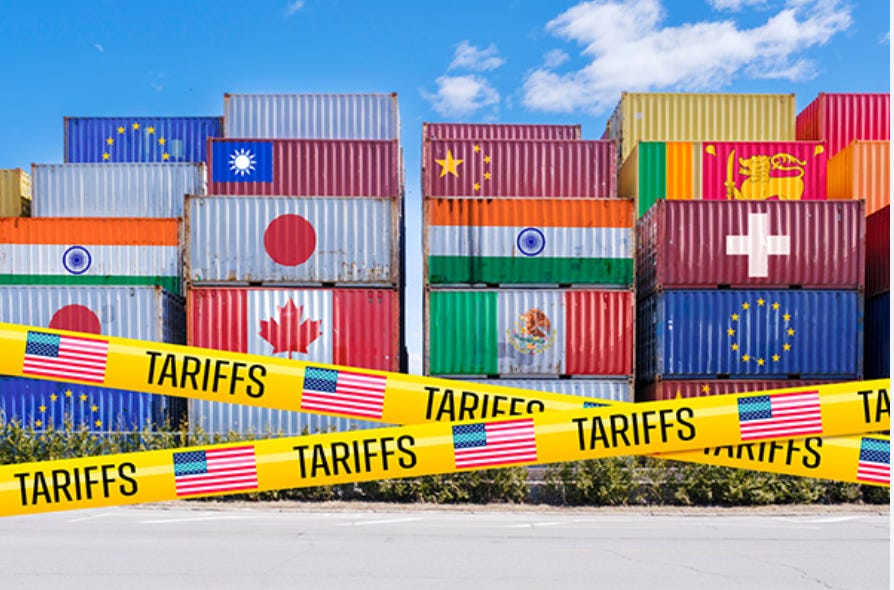
U.S. tariffs are taxes imposed on imported goods, often as a tool for trade negotiation or to encourage domestic manufacturing. The Office of the United States Trade Representative clarifies that tariffs are only applied to goods crossing international borders into the United States. In other words, if no import occurs, no tariff applies.
This means all products that are reused, repaired, or recycled within the U.S.—from refurbished electronics and remanufactured furniture to construction materials and packaging—are completely exempt from tariff-related price increases. By sourcing from domestic reuse and recycling markets, organizations can avoid the volatile costs that new, imported goods may carry.
Waste Less, Save More: The Economic Case for Domestic Reuse
When tariffs drive up the cost of new imports, businesses often feel compelled to pass those costs along to customers. In contrast, relying on the reuse and repair sectors offers a stable, tariff-free supply chain. For example, the Institute for Local Self-Reliance notes that the reuse and repair economy generates more local jobs per ton of material than landfilling or traditional recycling. Every dollar spent on a locally repaired appliance or a reused office chair is a dollar that stays in the community and strengthens the circular economy.
Revenue opportunities abound, as well. According to the U.S. Environmental Protection Agency, businesses that incorporate reuse strategies not only see reduced disposal costs but also tap into the growing market of eco-conscious consumers. By offering products and services that avoid new imports and their associated tariffs, businesses both large and small can market themselves as both economically and environmentally responsible.
Deeper Loyalty and Empowerment Through Local Solutions
Choosing domestic reused and recycled goods also builds deeper customer loyalty. Consumers are increasingly aware of the environmental and social impacts of their purchases and are seeking out businesses that offer sustainable alternatives to brand-new imports (NielsenIQ, 2023). By prioritizing repair and reuse, organizations demonstrate a real commitment to their communities and the planet—driving word-of-mouth marketing and lasting relationships.
Employees, too, benefit from the shift toward a circular model. The repair and reuse sectors empower workers with in-demand skills and meaningful career opportunities. According to a 2021 report from Green Alliance, a UK think tank that works to accelerate political action for the environment, the reuse, repair, and remanufacturing industries could support more than 450,000 full-time jobs world-wide over the next fifteen years.
A Green Marketing Edge, Free from Tariff Worries
Relying on reused and recycled goods sourced within the U.S. gives organizations a green marketing edge that is immune to the uncertainties of international trade policy. Businesses can authentically advertise their commitment to zero waste and local economic development, all while offering price stability to their customers.
Conclusion: A Sustainable Path Forward
Tariffs are a reality for new products sourced from abroad—but they do not touch the robust reuse and repair markets already thriving in communities across the United States. By investing in these sectors, businesses, non-profits, institutions, and local governments can protect themselves from tariff volatility, enhance their environmental impact, drive revenue, and foster loyalty among employees and customers alike.
Supporting the domestic reuse and repair economy is good for the planet and it’s a strategic move for any business seeking resilience in an ever-changing global market.